Navigating Cancer Care: Empowering Patients Through Wellness, Research, and Community Support
Cancer, a malady that influences lives on a colossal scale, is a word that carries weight—an emotional weight that can feel almost insurmountable. Yet, within this formidable landscape of oncology, there lies an essential truth: empowerment can flourish amid adversity. The journey through cancer care is replete with choices, challenges, and opportunities for growth. In this guide to wellness in cancer care, we’ll explore how patients can navigate their path with knowledge, support, and a dedication to healing that transcends diagnosis.
Empowerment begins with education. With advances in healthcare and cancer research being made at breakneck speed, keeping informed about your condition is crucial. Have you ever found yourself buried under a mountain of medical jargon? It can often feel overwhelming, but the key is to break it down. From understanding your diagnosis to learning about clinical trials that may be available, patient education plays a pivotal role in recovery. Remember, knowledge is a powerful remedy in the fight against illness, and it is absolutely within your reach.
Yet education alone isn't enough. Wellness encompasses a spectrum that goes beyond just physical health. It’s about embracing lifestyle changes that promote your overall well-being. Have you considered how nutritional support and exercise can amplify your recovery journey? Implementing small, manageable modifications in your daily routine can yield significant benefits. Picture this: a survivor who, after their treatment, embraced yoga and whole-food nutrition, not just for their body, but for their mind as well. Their story is a testament to how lifestyle choices can transform the cancer care experience into a pathway of resilience and hope.
Support systems are a vital piece of the wellness puzzle in cancer care. No one should have to navigate this journey alone. Whether it's seeking community resources, joining support groups, or sharing survivor stories, connecting with others who have faced similar challenges can provide an emotional buoy during turbulent times. Have you explored local or online support networks that focus on your specific type of cancer? Building relationships with fellow survivors can foster camaraderie, enrich your journey, and remind you that you are not just a patient; you are part of a community fighting against cancer together.
As you tread this path, remain curious about the advancements in cancer care that are continually emerging. From breakthrough therapies to early screening techniques, being proactive in your care gives you the upper hand. So, what steps can you take today to advocate for yourself and embrace the wellness you deserve? The answers may be at your fingertips, waiting for you to explore and seize. The journey through cancer care is undeniably challenging, but with a commitment to wellness and an army of support behind you, recovery is not just a dream—it is a reality waiting to be fully embraced.
From Diagnosis to Recovery: Unveiling the Role of Community Support and Resources
When someone hears the words 'you have cancer', an overwhelming mixture of emotions floods the mind: fear, confusion, and uncertainty about the future. From diagnosis to recovery, the journey is often accompanied by a myriad of questions. How will this impact my life? What resources are available to me? Most importantly, how can I find the support I need to navigate this daunting malady? It's crucial to understand that no cancer patient is alone on this journey; the power of community support and accessible resources can significantly transform the path to recovery. This exploration reveals how vital these aspects contribute to effective cancer care.
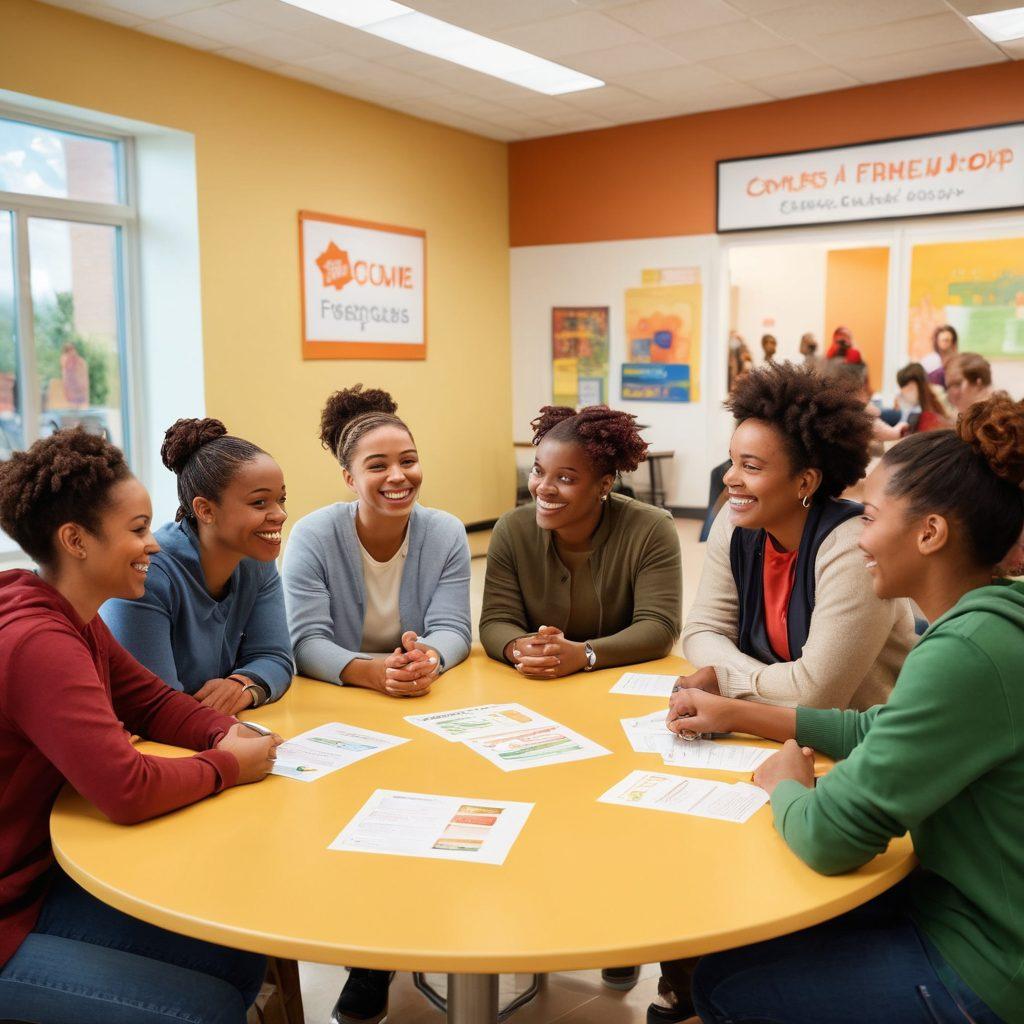
Imagine a space where people gather not just to share their survivor stories but to inspire healing and growth. Community support can take many forms: from cancer support groups that foster emotional upliftment to nutrition workshops that empower patients with lifestyle changes. Engaging in these networks can make a remarkable difference in coping with one's diagnosis. Recognizing that others share similar challenges can foster a sense of belonging and purpose—a powerful remedy in the face of illness. As the old saying goes, 'Together we are stronger', and this bonds individuals on the cancer journey.
Healthcare doesn’t just stop at clinical trials and treatment plans; it encompasses a universe of resources aimed at empowering patients. Whether it’s educational sessions about oncology advancements or local workshops focused on nutritional support, understanding the array of community resources available can arm patients with knowledge. Did you know that many hospitals offer patient education programs that clarify misconceptions about cancer? These sessions can demystify the screening process and provide insights into therapy options, making patients feel heard and validated in their fight for wellness.
The value of wellness and lifestyle changes cannot be understated, especially in cancer prevention and recovery. Regular exercise, balanced nutrition, and mindfulness practices can significantly impact a patient's journey. Making informed lifestyle choices not only empowers individuals to take charge of their health but can also serve as a beacon of hope. By aligning with local initiatives, patients can access cooking classes focusing on cancer-friendly diets or fitness programs designed for varying levels of ability, ensuring that no one feels left out of their own recovery narrative. This is community support in action.
As the sun sets on a day filled with discussions on cancer care, remember that each story shared, each life touched through community support adds a strand to the rich tapestry of healing. The role of community resources is paramount; it helps to weave in understanding, experience, and strength for all those navigating the choppy waters of cancer diagnosis and treatment. Whether you’re a patient or a caregiver, reach out to your local resources, tap into those survivor stories, and embrace the network available to you. After all, cancer care transcends treatment—it’s a community effort aimed at creating a supportive pathway to recovery.
Advancements in Oncology: Exploring Clinical Trials and Patient Education for Better Outcomes
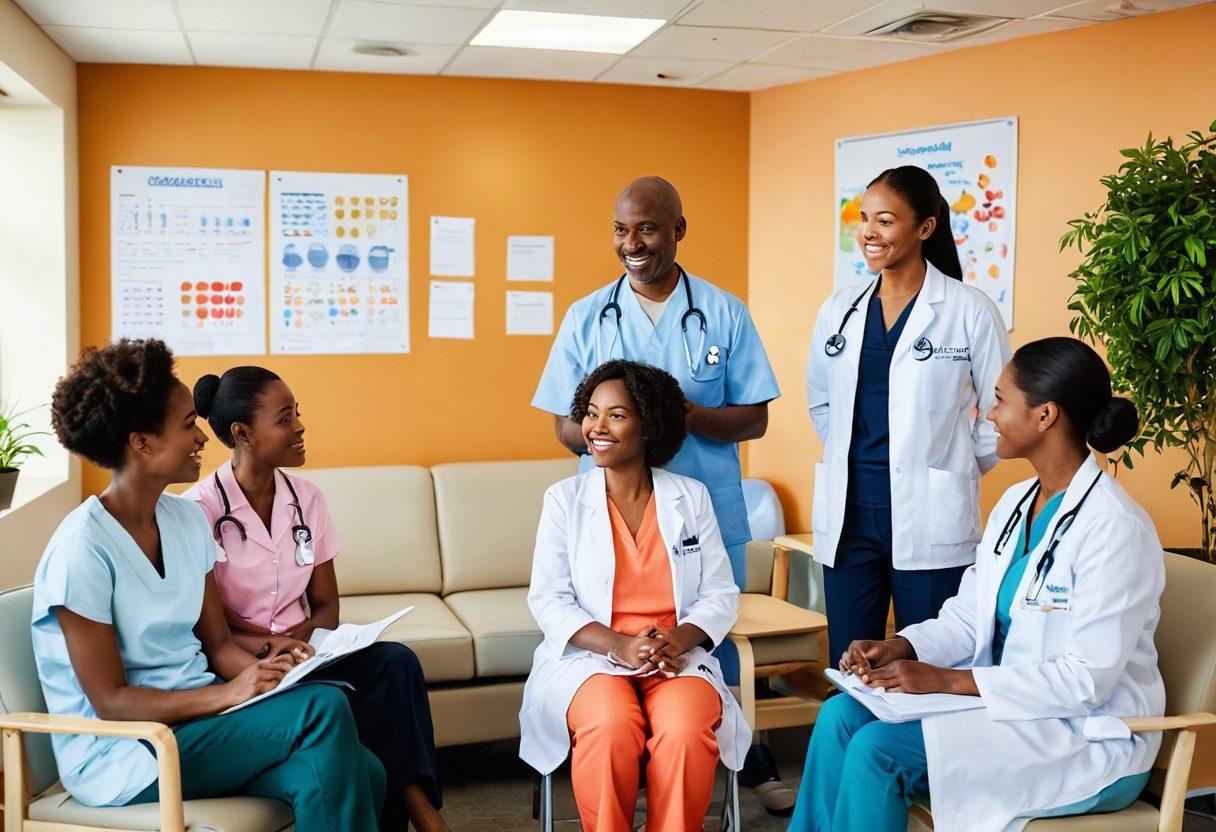
In recent years, the field of oncology has seen a whirlwind of advancements, transforming how we understand and treat cancer. With new therapies and ongoing clinical trials, the landscape of cancer care is continually evolving, promising better outcomes for patients. Imagine sitting in a cozy room, chatting with a survivor who shares their journey from illness to recovery, alighting hope in the hearts of those still battling. This story is emblematic of the remarkable strides healthcare is making, demonstrating the power of unwavering support and knowledge in the realm of cancer care.
As you delve into the world of clinical trials, you might wonder - what exactly do they entail? Clinical trials represent the testing phase where novel therapies are evaluated for efficacy and safety. They are not just essential for the development of groundbreaking treatments; they are lifelines for patients, offering access to cutting-edge remedies not yet available on the market. By participating in these studies, patients contribute to cancer research, paving the way for improved methods of screening, diagnosis, and recovery. Could becoming a part of a clinical trial be the key to unlocking a brighter future in your cancer journey?
Moreover, patient education has emerged as a cornerstone of effective cancer care. With an empowered patient base, individuals can make informed decisions about their health and wellness. Picture a supportive community gathering where healthcare professionals provide patients with essential information about lifestyle changes, nutritional support, and the importance of cancer prevention. Engaging in patient education workshops fosters an atmosphere of knowledge that arms individuals with the tools needed to navigate their treatment paths confidently. After all, knowledge is more than power; it’s the catalyst for recovery.
Let's not overlook the inspiring survivor stories that reveal the human spirit's resilience. Each narrative is not just a testament to recovery but also encapsulates the emotional and physical toll that accompanies the disease. When patients share their journeys—struggles with therapy, moments of despair, and triumphs over their malady—they create connections that resonate with others. These stories help build a community of support where patients realize they are not alone, fostering hope through shared experiences. What lessons can we glean from these journeys, and how can they inspire us to advocate for ourselves and others battling cancer?
Finally, tapping into community resources can significantly enhance the oncology experience. From local support groups to wellness programs that emphasize holistic approaches to treatment, communities can provide invaluable opportunities for bonding, sharing, and growing. As we consider the myriad of ways to improve our healthcare, let’s embrace the advancements in oncology and the critical role of patient education. These elements are not merely aspects of medical treatment; they are promises of a brighter tomorrow for cancer patients everywhere, encouraging us to dream of better outcomes and healthier lifestyles.